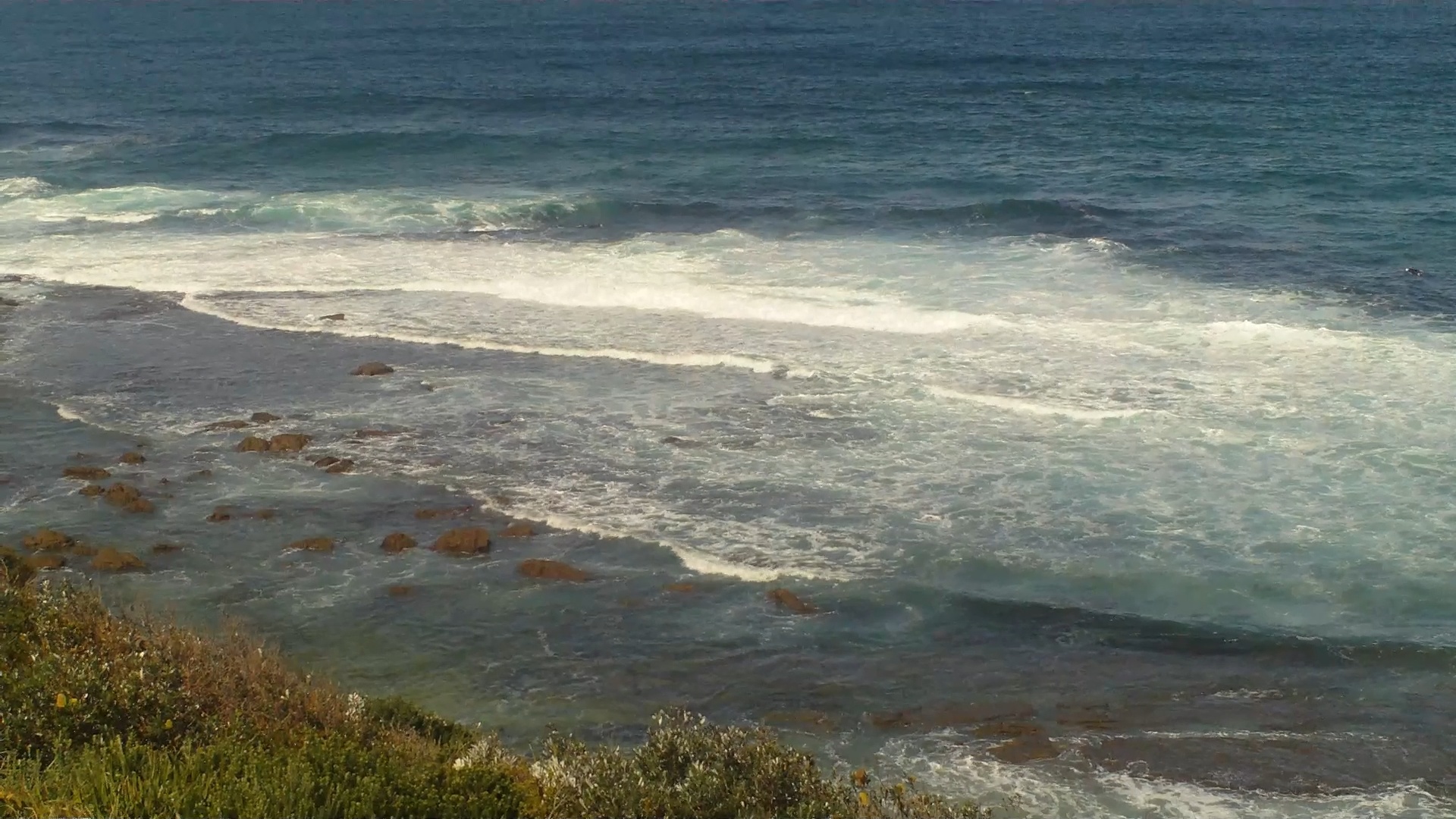
Here we show some of the Video’s from our Media Server.
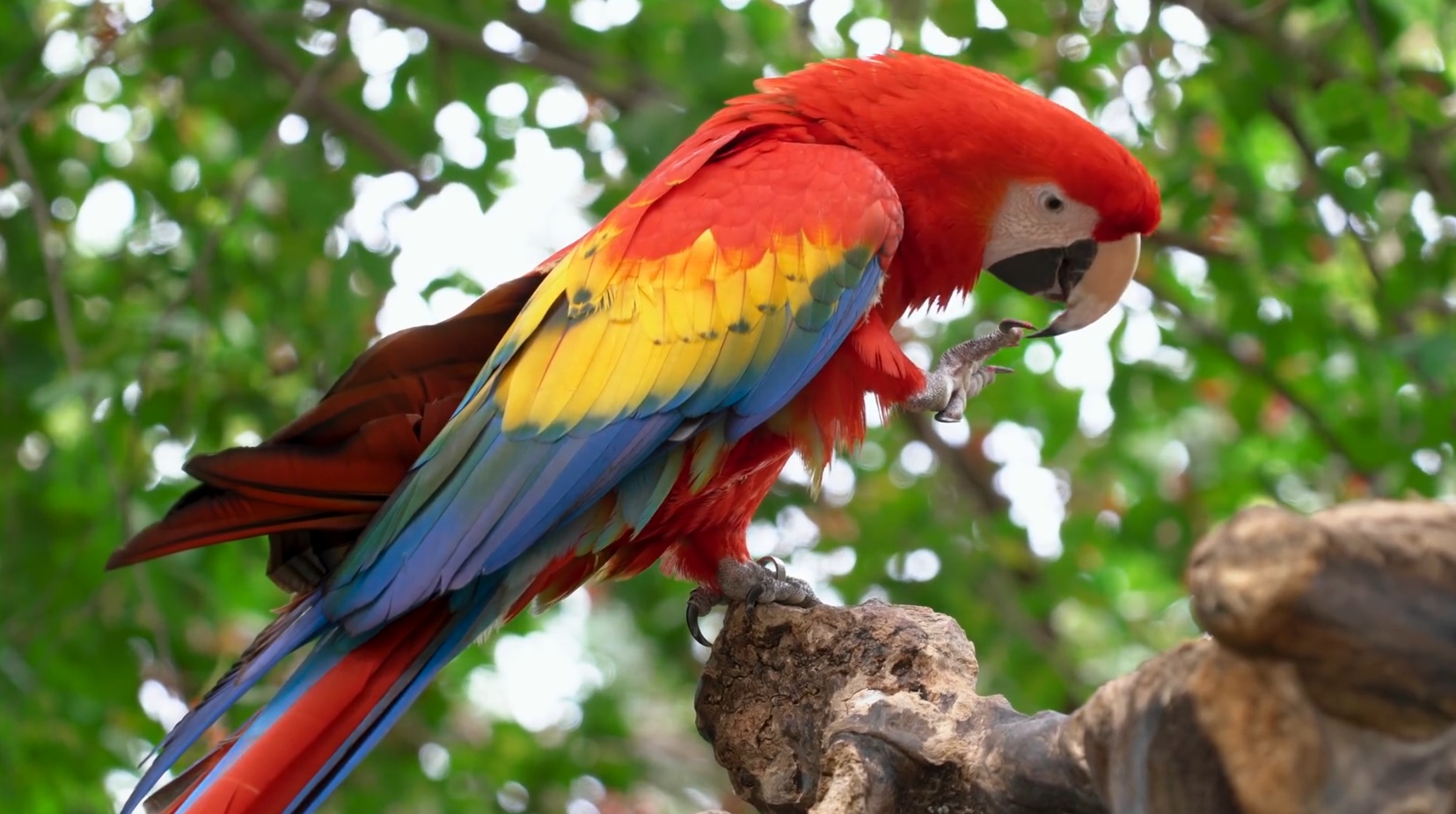
Macaws are a group of large New World parrots that are long-tailed and often colorful, in the tribe Arini. They are popular in aviculture or as companion parrots, although there are conservation concerns about several species in the wild.The largest macaws are the hyacinth, Buffoon’s (great green) and green-winged macaws. While still relatively large parrots, mini-macaws of the genera Cyanopsitta, Orthopsittaca and Primolius are significantly smaller than the members of Anodorhynchus and Ara. The smallest macaw species, the red-shouldered macaw, is no larger than some parakeets of the genus Aratinga.
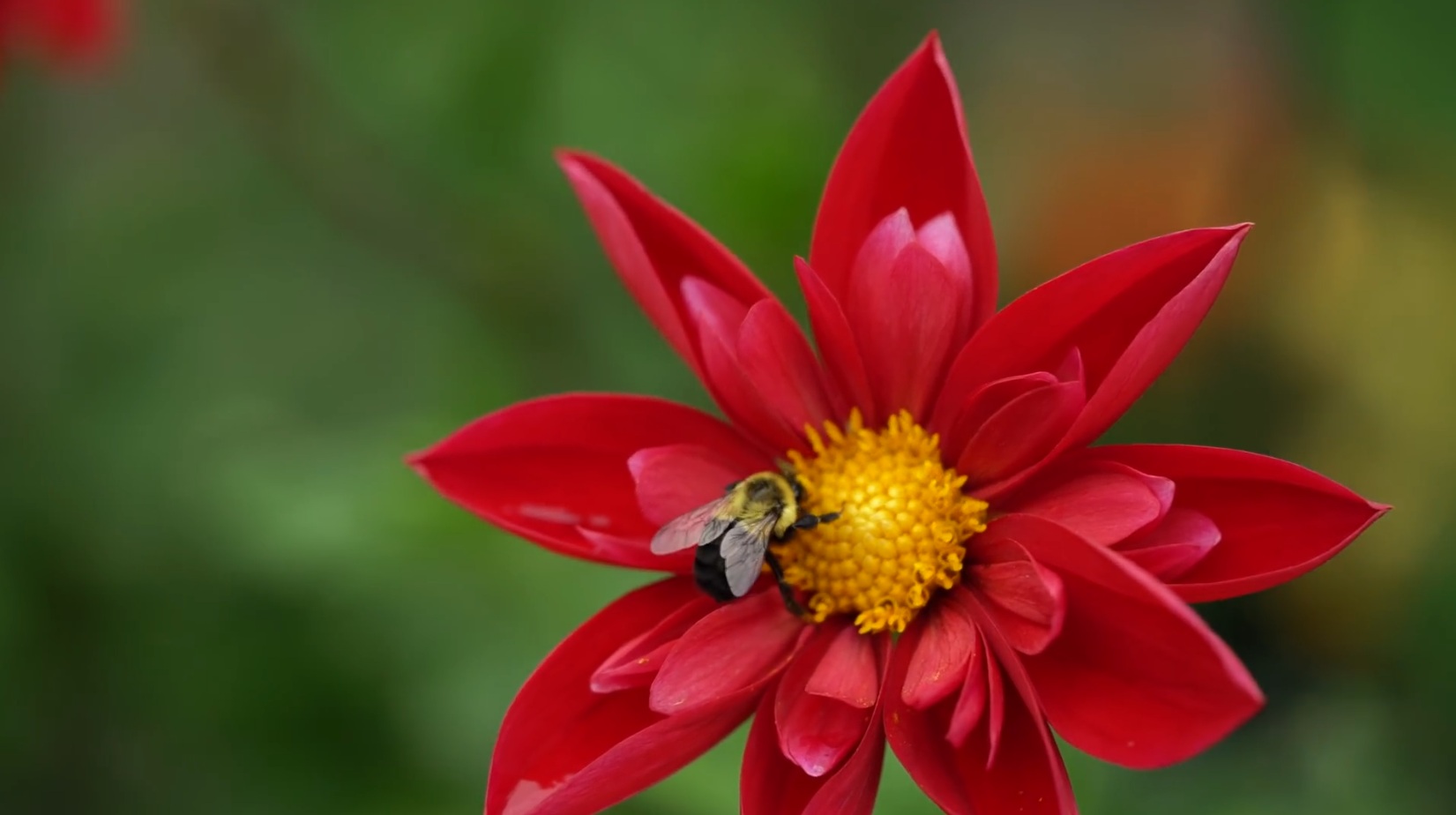
Flowers, also known as blossoms and blooms, are the reproductive structures of flowering plants. Typically, they are structured in four circular levels around the end of a stalk. These include: sepals, which are modified leaves that support the flower; petals, often designed to attract pollinators; male stamens, where pollen is presented; and female gynoecia, where pollen is received and its movement is facilitated to the egg. When flowers are arranged in a group, they are known collectively as an inflorescence.
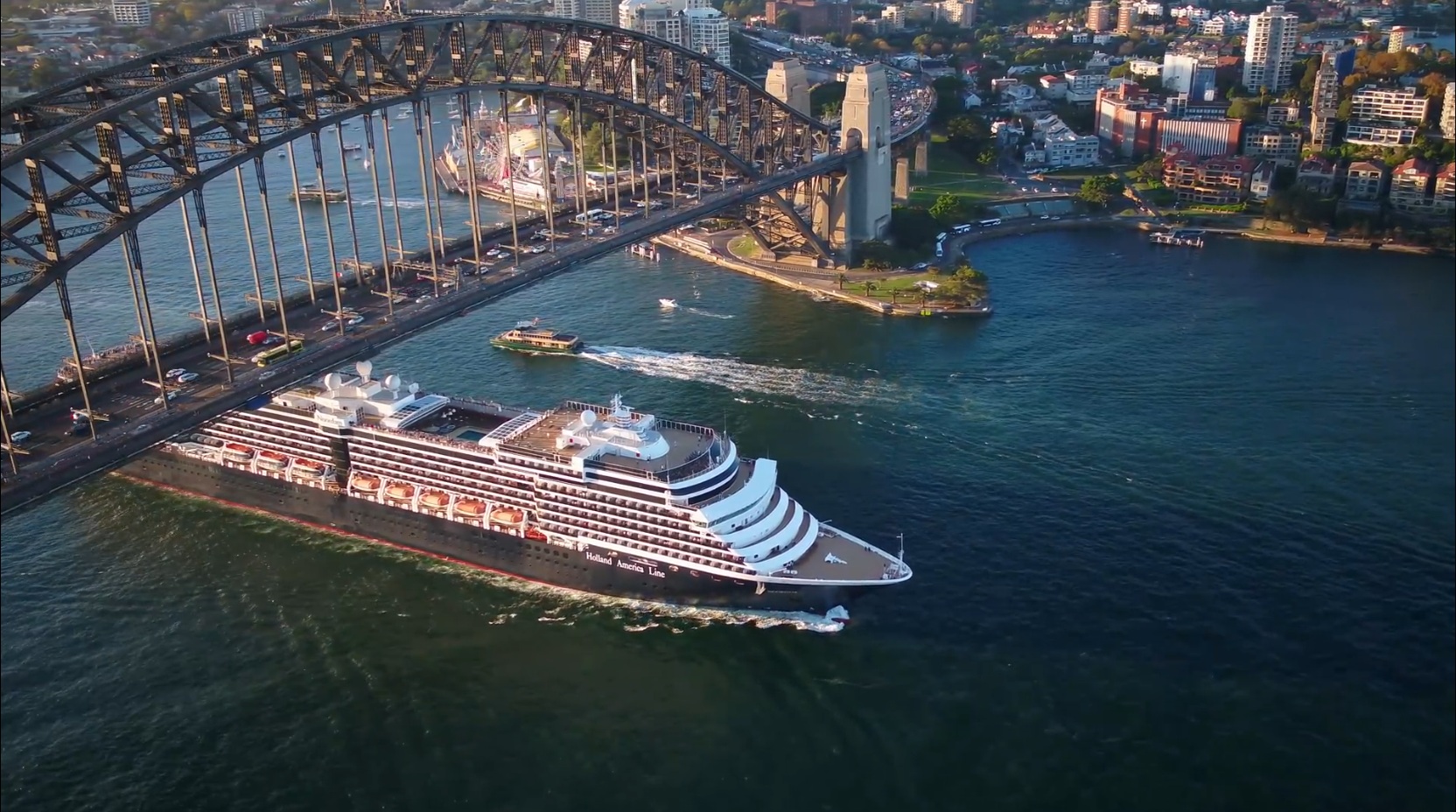
Sydney is the capital city of the state of New South Wales, and the most populous city in Australia. Located on Australia’s east coast, the metropolis surrounds Sydney Harbour and extends about 80 kilometres (50 mi) from the Pacific Ocean in the east to the Blue Mountains in the west, and about 80 kilometres (50 mi) from Ku-ring-gai Chase National Park and the Hawkesbury River in the north and north-west, to the Royal National Park and Macarthur in the south and south-west. Greater Sydney consists of 658 suburbs, spread across 33 local government areas.
Norah Head Lighthouse was the last significant lighthouse built in New South Wales Australia, a 63-metre tower, completed in 1903 with monetary assistance from the Hargraves family of Noraville after considerable numbers of ships foundered on the coast near the headland. Originally it was powered by a kerosene concentric wick lamp and still today it features a second order bivalve Fresnel lens prism floating on a mercury bath. At first, the prism was rotated by descending weights, but the light was electrified in 1961 and fully automated in 1995.