
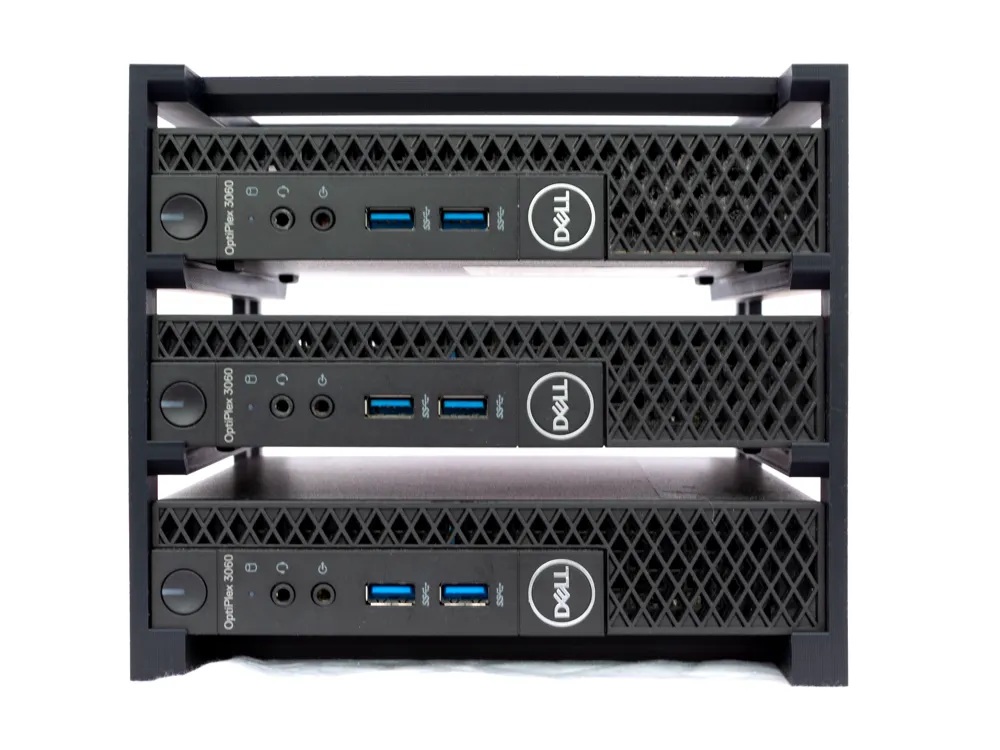
Wombat Network is my home
Data Centre. It has installed an Internet Server and a Media Streaming Server to stream Video and live video. Why at my home? well computing is my hobby too and I like to experiment with providing Info about my Radio TV hobby and Live stream my ATV Transmissions.
Web Server
Web servers are designed to run websites and apps through client programs (web browsers) such as Internet Explorer, Chrome, Firefox, Opera, or Safari. They are responsible for storing, processing, and delivering web content to users. They support protocols such as HTTP, FTP, and SMTP that are key to information exchange between network devices.
In a network, all machines hosting websites have web server software to better manage user access to hosted files. Some examples of web servers include Apache HTTP Server, Microsoft Internet Information Services (IIS), and Sun Microsystem’s Sun Java System Web Server.
Mail Server
A mail server facilitates email storage and management for clients. It uses different protocols for sending and receiving emails. For example, the Simple Mail Transfer Protocol (SMTP) is used to send an email. The server relies on the Post Office Protocol (POP3)l to store and receive an email.
Mail servers are similar to a typical post office that stores and sorts mail before sending it to the target destination. Simply put, when a user sends an email to another computer, it requests the mail server to deliver it to the intended recipient. Mail servers rely on several software modules that allow emails to be sent, received, retrieved, and forwarded.
Database Server
Database servers offer database services to client computers. Users can access, modify, store, and retrieve data from a database by executing a query; for example, an SQL query. Database servers are responsible for handling the security and recovery of database management systems (DBMS). They store digital files, application files, and non-database files. Large organizations use these servers to safeguard their sensitive and valuable corporate data. Some examples of database servers include Microsoft SQL, MySQL, MongoDB, and SQLite.
Streaming Media Server
A streaming media server is a web server that provides live or on-demand media content to user devices via an internet connection. Streaming media content may include movies, TV shows, video, games, podcasts, music, and audio content. Streaming media may be played on laptop and desktop computers, smart TVs, smartphones, or other mobile devices using a wired or wireless connection and various operating systems.
How does a Streaming Server work?
To stream content, a streaming media server stores copies of prerecorded video, audio, or gaming content on its hard drives. When a user requests the content, the server compresses the media file in a process called “encoding.” Files are broken into small data packets that are sent to the user’s device (called a client) using protocols like Transmission Control Protocol (TCP) or User Datagram Protocol (UDP) to manage the transfer. When the client receives the data packets, a streaming media player on the user’s device decodes, decompresses, and reassembles the collection of data packets as a video or audio file to be played on the device. The files are automatically deleted after playback.
Best-In-Class Hardware & Software
All of our Windows Servers enjoy datacenter-grade SSD storage, Dell hardware and class-leading Intel processors. With the latest Windows server operating system version available, fully equipped with the best hardware and software around.
Wombat Network Servers
In our production setup we have: 2 Intel based computers.
For research and development : 2 Intel based computers.
Dell Optiplex
Processor Intel Core i7 1470F 20 Core
Total RAM 16GB DDRS-6000
Storage Size (SSD) Total: 8TB
Internet Connection: 1000/250 Mbs